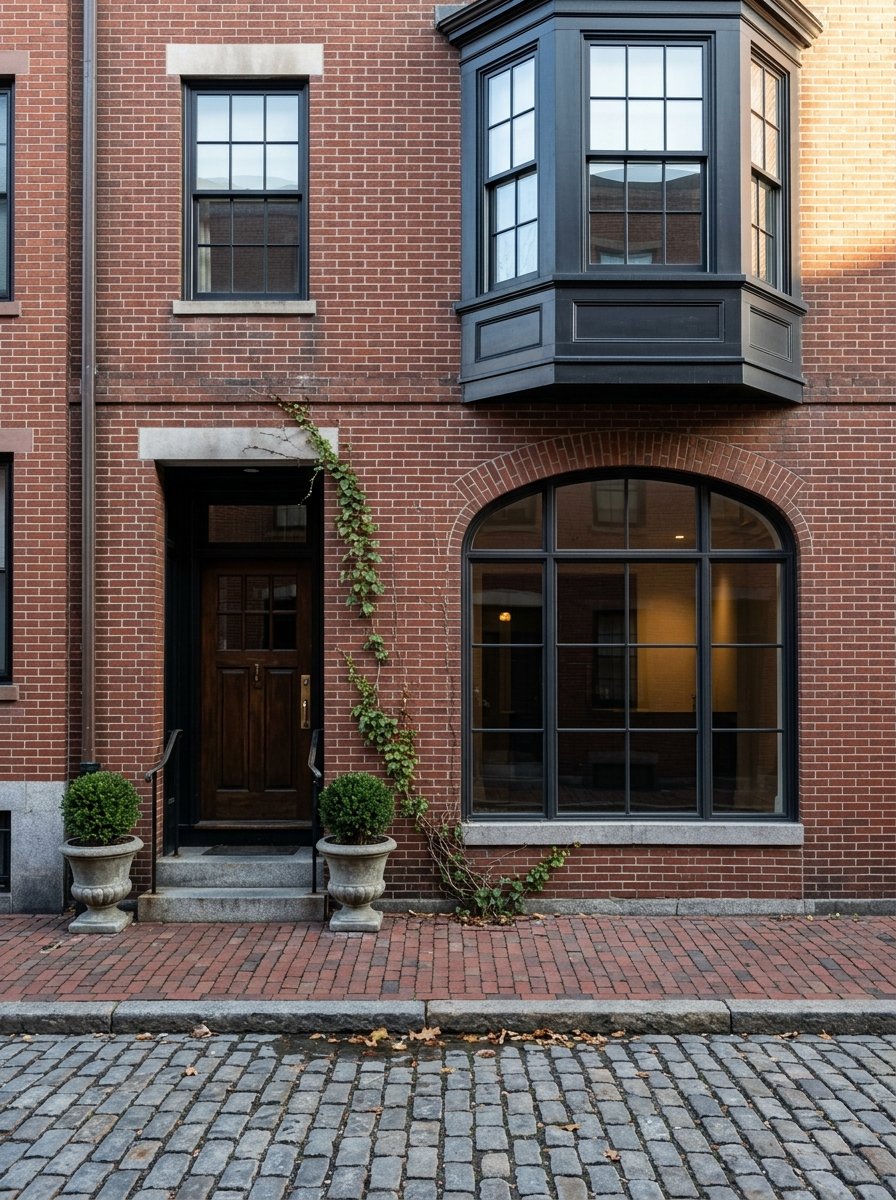
Ever wondered what it’s really like to live in Boston’s North End, beyond the cannoli lines and packed summer sidewalks? If you’re considering a move here, it helps to look past the postcard version and understand how the neighborhood functions day to day. From housing style and walkability to waterfront access and the rhythm of local streets, this guide will help you get a clearer picture of life in one of Boston’s most recognizable neighborhoods. Let’s dive in.
North End Character
Boston planning materials describe the North End as Boston’s oldest residential community, with roots going back to the 1630s. Today, it remains a compact, mostly residential neighborhood known for historic brick buildings, narrow cobblestone streets, and strong ties to the city’s Italian-American heritage.
The setting is a major part of the appeal. The neighborhood sits in Boston’s northeastern corner and borders Boston Harbor on two sides, which gives it a distinct waterfront feel that sets it apart from many other central Boston areas. It also benefits from its reconnection to the rest of the city after the Big Dig and the creation of the Rose Kennedy Greenway.
North End Atmosphere
The North End has a lively, high-energy street life. Boston describes it as one of the city’s most visited neighborhoods, and that visitor traffic is part of the everyday experience, especially around popular restaurant corridors and historic sites.
At the same time, this is not just a place people visit. It is also a real residential neighborhood with a long-established local identity, everyday routines, and a dense urban pace. If you like places that feel active, close-knit, and unmistakably Boston, the North End often delivers that in a very specific way.
Dining And Daily Life
Hanover Street and Salem Street serve as the neighborhood’s main commercial spines. They are lined with Italian restaurants, bakeries, cafes, and shops that shape much of the area’s daily rhythm and give the North End its signature street-level energy.
Dining is not just part of the neighborhood brand. It is central to the local economy. City planning data show that the North End captured 7.5% of citywide restaurant spending in 2025, and 43.8% of payroll jobs were in accommodation and food services.
For residents, that means you are living in a place where food, hospitality, and foot traffic are woven into daily life. Some buyers love that constant activity and convenience, while others may want to think carefully about whether they prefer a quieter residential environment.
Can You Live Car-Light?
For many residents, the answer is yes. Boston planning data report that 56.4% of North End households had no vehicle in 2025, which says a lot about how people actually move through the neighborhood.
Resident commuting patterns tell a similar story. In 2025, 41.5% of resident workers walked to work, and another 15.8% used public transit. Together, those numbers suggest the North End works well for people who value a car-light or car-free lifestyle.
That kind of mobility can be a major advantage if you want easy access to downtown Boston, the waterfront, and nearby neighborhoods without relying on a car every day. It also reinforces the North End’s identity as a highly urban, pedestrian-oriented place to live.
Housing In The North End
If you are picturing large homes with generous lots, the North End is probably not that neighborhood. The housing stock here is much more apartment-oriented, with a strong concentration of smaller units and mixed-use buildings.
The 2025 neighborhood data show 6,885 housing units in the North End. Of occupied units, 49.9% are studios or one-bedrooms, 37.2% are two-bedrooms, and 12.9% are three-bedrooms or larger.
That mix helps explain who the neighborhood often appeals to. It can be a strong fit for buyers or renters who want an efficient urban footprint, lower-maintenance living, and close access to dining, work, and city amenities.
Boston planning materials also note that many existing North End buildings combine ground-floor retail or commercial space with upper-story multifamily residential use, especially along Hanover Street. Recent approvals also show office-to-residential conversions and other mixed-use reuse projects that continue to add updated housing options.
Renting Vs. Owning
The North End has a strong renter presence. In 2025, 74.3% of occupied housing units were renter-occupied, which reflects the neighborhood’s compact housing profile and urban lifestyle.
For readers comparing costs, Boston planning data report a 2024 median asking rent of $3,500 for market-rate two-bedroom apartments. That figure helps frame the neighborhood as a premium urban rental market, especially for those who want to live close to downtown and the waterfront.
For buyers, that rental pricing can also be useful context when weighing long-term ownership goals versus continuing to rent. In a neighborhood where smaller units are common and lifestyle is a major driver, your decision often comes down to how long you plan to stay and what kind of day-to-day experience you want.
Who The North End Fits Best
The North End tends to suit people who want a very specific kind of Boston lifestyle. If you are drawn to historic character, dense city living, waterfront access, and a neighborhood where you can step outside into restaurants, cafes, and active streets, it may feel like a strong match.
The neighborhood also skews young, with 56% of residents between ages 18 and 34. Combined with the small-unit housing mix, renter-heavy profile, and car-light commuting pattern, that points to a fast-paced urban environment rather than a traditional low-density residential setting.
That does not mean only one type of resident belongs here. It means the North End is most appealing when your lifestyle priorities line up with its compact housing, busy streets, and central location.
History Is Part Of Daily Life
In many neighborhoods, history is something you visit. In the North End, it is part of the everyday backdrop. The Paul Revere House, Old North Church, and Copp’s Hill Burying Ground are all core landmarks woven into the neighborhood fabric.
According to the National Park Service, the Paul Revere House is downtown Boston’s oldest residence and was built around 1680. Old North Church dates to 1723 and is Boston’s oldest standing church building, while Copp’s Hill Burying Ground was established in 1660 and became the resting place for more than 10,000 burials.
For residents, these sites shape the feel of the neighborhood in a very real way. Living here often means sharing your daily environment with some of the city’s most significant historic places.
Waterfront Access And Recreation
The North End’s waterfront setting adds another layer to everyday life. Boston’s Harborwalk connects the neighborhood waterfront to recreational, cultural, and historic destinations while also tying into public transit access.
Boston planning materials also point to local recreation amenities such as Steriti Ice Rink, the Mirabella Pool overlooking the harbor, and bocce ball courts. These spaces help balance the neighborhood’s dense urban form with places to get outside and enjoy the harbor edge.
If waterfront access matters to you, this is one of the North End’s strongest lifestyle advantages. You get a historic urban setting with meaningful proximity to open-air public spaces and harbor views.
What To Consider Before Moving
Like any Boston neighborhood, the North End comes with tradeoffs. Its strengths are clear: walkability, history, dining, centrality, and character. But those same features can also mean tourist activity, smaller living spaces, and a busier street environment.
It helps to think carefully about how you actually want to live. Do you want a neighborhood that feels active almost all the time? Are you comfortable with a smaller home footprint in exchange for location and atmosphere? Would you benefit from a car-light lifestyle?
If your answers are yes, the North End may offer a very compelling fit. It is one of Boston’s most distinctive neighborhoods, and for the right buyer or renter, that distinct personality is exactly the point.
If you’re weighing whether the North End matches your lifestyle or comparing it with other Boston neighborhoods, Michael Egan offers thoughtful, local guidance to help you make a confident move.
FAQs
What is everyday life like in Boston’s North End?
- Everyday life in Boston’s North End is active and urban, with busy restaurant streets, historic surroundings, waterfront access, and a strong pedestrian-oriented pace.
Is Boston’s North End a good neighborhood for living without a car?
- For many residents, yes. In 2025, 56.4% of households had no vehicle, 41.5% of resident workers walked to work, and 15.8% used public transit.
What types of homes are common in Boston’s North End?
- The North End mostly has smaller apartments and mixed-use buildings, with many studios, one-bedrooms, and two-bedrooms, plus some upper-floor residential units above retail spaces.
Is Boston’s North End mostly rentals or owner-occupied homes?
- The neighborhood is renter-heavy. In 2025, 74.3% of occupied housing units in the North End were renter-occupied.
What is the rental market like in Boston’s North End?
- Boston planning data report a 2024 median asking rent of $3,500 for market-rate two-bedroom apartments in the North End.
Is Boston’s North End very touristy?
- Yes. Boston describes the North End as one of the city’s most visited neighborhoods and a destination for both residents and tourists.
What are the main attractions in Boston’s North End?
- Key landmarks include the Paul Revere House, Old North Church, Copp’s Hill Burying Ground, and the waterfront Harborwalk area.
Who tends to enjoy living in Boston’s North End?
- The North End often appeals to people who want compact urban living, historic character, a strong dining scene, and easy access to downtown Boston and the waterfront.