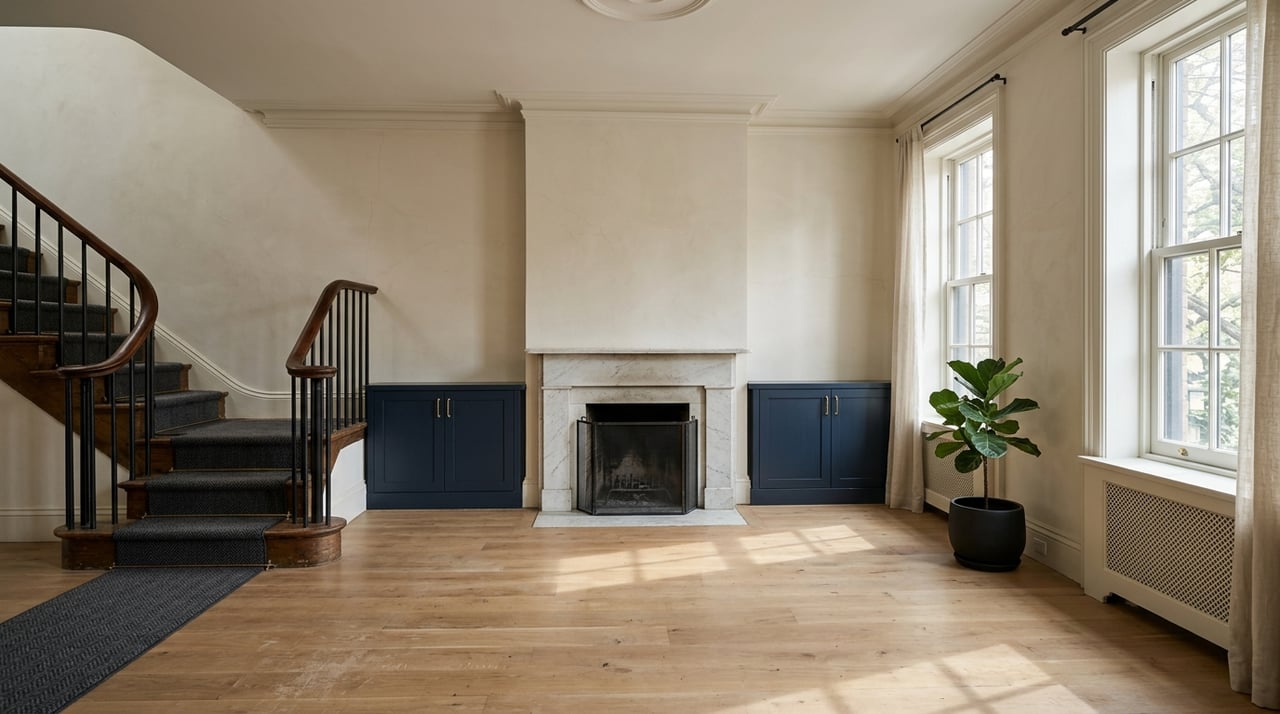
If you picture classic Boston living, chances are you are picturing the South End. A brownstone here offers more than curb appeal. It gives you a front-row seat to one of the city’s most distinctive streetscapes, along with a home that often blends historic character and modern updates. If you are wondering what day-to-day life in a South End brownstone actually feels like, this guide will walk you through the setting, layout, lifestyle, and tradeoffs so you can decide whether it fits the way you want to live. Let’s dive in.
South End Brownstones Start With the Streetscape
Living in a South End brownstone begins before you even step inside. The South End is an official Boston landmark district, and the neighborhood is known for its cohesive rows of 19th-century Victorian red brick rowhouses. That gives many blocks a consistent look from the sidewalk, with stoops, railings, bay windows, and narrow street fronts that feel unmistakably Boston.
The result is a neighborhood atmosphere that feels architectural and personal at the same time. While people often call these homes brownstones, the experience is really tied to brick rowhouse living. You get a home that is part of a larger historic street wall, but each property can still have its own details and interior style.
Boston Magazine has described the South End as the country’s largest intact Victorian row-house district. That says a lot about the visual impact of the neighborhood. If you value character, scale, and a sense of place, that is a big part of the appeal.
Interiors Feel Vertical and Layered
One of the first things you notice about a South End brownstone is that it usually lives tall rather than wide. These homes often stretch across multiple levels, which creates a very different feel from a single-level condo or a newer building with a more open footprint. In practice, that means your daily routine may involve moving between floors for living, sleeping, working, and entertaining.
A single brownstone shell can also take different forms. Some are single-family townhouses, while others have been divided into condos. That flexibility is part of what makes the South End housing stock so interesting, because similar exteriors can hide very different interior setups.
Inside, the traditional layout often places formal living and dining spaces on the parlor or main level. Kitchens are frequently opened up during renovations or shifted toward the rear of the home. Upper floors often become bedrooms, offices, or bonus spaces, while lower levels may serve as guest suites, media rooms, storage, or other flexible-use areas.
Historic Details Meet Modern Living
A major part of South End brownstone appeal is the mix of preserved period details and updated function. Many homes retain features like crown molding, bannisters, fireplaces, and bay windows. Those original elements add texture and personality that can be hard to replicate in newer construction.
At the same time, many renovated brownstones have been adapted for contemporary life. Larger rear windows, more open kitchens, built-in work areas, and updated finishes are all common examples from South End renovations. In simple terms, you are often getting a historic façade with a more modern interior experience.
That contrast is part of the charm. From the street, the home may read as classic and formal. Inside, it can feel far more relaxed, bright, and tailored to current living patterns.
Outdoor Space Is Often Small but Meaningful
Outdoor space in the South End is usually compact, but it can have an outsized role in how a home lives. Depending on the property, that space might take the form of a rear patio, a small private deck, a lowered garden-level area, or a roof deck. Even when the footprint is modest, these spaces can add a lot to everyday comfort.
In many brownstones, the rear of the house is where the most noticeable updates happen. Because the South End is a landmark district, exterior changes are most constrained on front façades and on visible rooftop or side and rear elevations that face a public way. That often pushes modern outdoor connections and design changes toward less visible rear areas.
For you as a buyer, that means outdoor space may feel tucked away rather than front-facing. It can be intimate and useful for dining, relaxing, or getting a bit of fresh air in an urban setting. In a dense neighborhood, that kind of private outdoor zone often carries real value.
Daily Life Feels Walkable and Connected
A South End brownstone is not just about the home itself. It is also about how the neighborhood supports your routine. The South End sits minutes from Downtown and Back Bay, and the city describes it as a cosmopolitan neighborhood with a strong mix of residential life, restaurants, arts, and open space.
If you enjoy walking to dinner, browsing galleries, or building errands into your daily routine, the location stands out. Tremont Street restaurant row is one of the neighborhood’s defining lifestyle features, and the SoWa area adds another layer with its art and design presence. The SoWa Art & Design District includes hundreds of artists’ studios and dozens of galleries, which helps give the neighborhood an ongoing creative energy.
This is one reason South End brownstones often appeal to professionals and couples who want a city-centered lifestyle. You are not choosing only a home style. You are choosing a neighborhood where dining, culture, and street life are part of the package.
Parks Add Breathing Room
The South End’s architecture can feel urban and dense, but the neighborhood also has a notable amount of green space. Boston notes that Shawmut Avenue is tree-lined and that the South End has nearly 30 parks. That balance helps soften the brick-and-stone setting and gives the area a more livable rhythm.
Blackstone Square, Franklin Square, and Peters Park all help break up the neighborhood with open space. Peters Park includes fields, a dog park, and playground features. If you want a brownstone lifestyle that still gives you access to outdoor breaks close to home, these spaces matter.
For many buyers, this combination is a sweet spot. You can have a historic urban home and still be near parks that support everyday routines, whether that means walking the dog, meeting friends outside, or simply taking a breather from the pace of the city.
The Lifestyle Tradeoffs Are Real
South End brownstone living has clear strengths, but it also comes with practical tradeoffs. The same multi-level layout that gives these homes character and flexibility also means more stairs. If you are comparing a brownstone to an elevator building or a single-level condo, that is an important day-to-day difference.
Historic district living also brings another layer of consideration. Because the South End is a landmark district, exterior preservation oversight is part of ownership. That can help protect the neighborhood’s visual character, but it may also shape what changes are possible, especially on visible exterior surfaces.
For some buyers, these tradeoffs are absolutely worth it. The architecture, location, and individuality of the homes are hard to duplicate elsewhere in Boston. For others, a newer property may better fit their priorities. The key is understanding what kind of daily experience you want.
Who Usually Likes South End Brownstone Living
South End brownstones tend to attract buyers who care about both home character and neighborhood context. If you are drawn to original details, layered interiors, walkable blocks, and a strong sense of place, this housing type often checks a lot of boxes. It can be especially appealing if you want a home that feels distinctly Boston rather than interchangeable with another city.
These homes can also work well for people who want flexible space. Multi-level living can create room for guest areas, home offices, secondary living zones, or customized lower-level uses. For buyers who like the idea of shaping space around their routines, that flexibility can be a real advantage.
At the same time, the fit is often more about lifestyle than square footage alone. A South End brownstone is usually less about sprawling width and more about character, vertical living, and being plugged into one of Boston’s most established urban neighborhoods.
What It Comes Down To
Living in a South End brownstone means living inside a piece of Boston’s architectural story while enjoying a neighborhood that remains active, walkable, and culturally rich. You get the visual charm of stoops, brick façades, and bay windows, but often with interiors that have been adapted for modern life. That pairing is what makes these homes feel so special.
If you are considering a move to the South End, it helps to look beyond the photos and think about how the home functions day to day. The layout, stairs, outdoor space, preservation context, and block-by-block feel all play a role. When those pieces align with your priorities, South End brownstone living can be one of the most rewarding ways to experience Boston.
If you are exploring South End homes or weighing whether a brownstone fits your lifestyle, Michael Egan can help you navigate the neighborhood with clear, local insight.
FAQs
What is a South End brownstone like inside?
- Most South End brownstones feel vertical rather than wide, with living spaces often spread across multiple floors. Many combine historic details like moldings, fireplaces, and bay windows with updated kitchens, rear windows, and flexible lower-level spaces.
Are South End brownstones single-family homes or condos?
- They can be either. Some South End rowhouses are single-family townhouses, while others have been divided into condo units within the same historic building shell.
Do South End brownstones usually have outdoor space?
- Many do, but it is often compact. Common examples include rear patios, small decks, garden-level outdoor areas, and roof decks, with many updates focused at the rear of the property.
What is the South End neighborhood known for?
- The South End is known for its Victorian brick rowhouses, walkable streets, restaurant scene, arts presence, and access to parks. It is also located minutes from Downtown and Back Bay.
Are there special rules for South End brownstone exteriors?
- Yes. The South End is a Boston landmark district, so exterior changes are more constrained, especially on front façades and other visible areas facing a public way.
Who is South End brownstone living best suited for?
- It often appeals to buyers who want historic character, a walkable city lifestyle, and flexible multi-level space. It can be a strong fit if you value neighborhood atmosphere as much as the home itself.